

WELLNESS BLOG
the winchester institute of chiropractic health and wellness

5 Ways Chiropractic Care Supports a Stronger Immune System
A strong immune system is essential for overall health, helping your body defend against infections, recover efficiently, and maintain optimal balance. While nutrition, quality sleep, and regular exercise are well-known foundations of immune health, many individuals are now turning to chiropractic care as part of a comprehensive wellness strategy. By supporting proper spinal alignment and nervous system function, chiropractic care may play a valuable role in promoting whole-body health and resilience.
Because the nervous system plays a central role in regulating immune responses, optimizing its function can contribute to better communication throughout the body. Many patients also report improvements in stress levels, mobility, and overall well-being with consistent care—factors that are closely linked to immune performance. Incorporating chiropractic care into your routine can be a proactive step toward supporting long-term health and vitality.
Let’s explore five evidence-informed ways chiropractic care can support a healthier, more balanced immune system.

How Your Foundation Impacts Posture and Balance
Your body’s posture and balance start from the ground up. The feet act as your foundation, supporting your entire body while providing sensory feedback, stability, and alignment. When your foundation is strong and properly aligned, your body can maintain efficient posture. When it’s not, compensation patterns may develop in the ankles, knees, hips, and spine.
Research shows that foot posture directly influences postural stability and movement patterns, with abnormal foot alignment linked to decreased balance and altered muscle activation strategies. This means your posture isn’t just about sitting up straight — it starts with how you stand, walk, and distribute weight through your feet.

Deep Tissue vs. Swedish Massage: Which Is Right for You?
When booking a massage, two of the most common options you’ll see are deep tissue massage and Swedish massage. While both techniques involve hands-on manipulation of muscles and soft tissues, they differ in pressure, purpose, and outcomes. Choosing the right one depends on your goals—whether you want relaxation, pain relief, improved mobility, or recovery from tight muscles. Many people searching for massage therapy for back pain, stress relief massage, or therapeutic muscle work often compare these two popular massage styles.
Understanding the difference between deep tissue and Swedish massage can help you select the most effective treatment for chronic tension, everyday stress, or post-activity soreness. Each massage technique offers unique benefits, from gentle full-body relaxation to targeted work on deeper muscle layers. This guide breaks down the key differences, benefits, and ideal candidates for each so you can confidently decide which massage is right for you.

How Chiropractic Adjustments Support Better Breathing and Posture
Breathing and posture are closely connected. When spinal alignment is compromised, the rib cage, diaphragm, and surrounding muscles may not move efficiently. Over time, this can contribute to shallow breathing, fatigue, and musculoskeletal discomfort. Chiropractic adjustments aim to improve spinal mobility and alignment, which may help restore optimal posture and support healthier breathing mechanics.
This article explores how posture influences breathing, how spinal mobility affects lung function, and how chiropractic care may support improved breathing and posture naturally.

The Role of Massage in Detoxification and Immune Support
Massage therapy has long been associated with relaxation and muscle relief—but its benefits extend far beyond stress reduction. Growing research in fields like immunology and physiology shows that massage can play a meaningful supportive role in the body’s natural detoxification processes and immune function. While it’s important to separate evidence from common myths, studies suggest that massage enhances circulation, supports lymphatic flow, and regulates stress—key pillars of overall wellness.

Chiropractic Myths: What’s True and What Isn’t
Chiropractic care has become a widely discussed approach for managing musculoskeletal pain, especially conditions involving the spine, joints, and posture. Yet despite its growing popularity, many misconceptions still surround the practice. Some people believe chiropractic adjustments are dangerous, while others think they can cure nearly every health condition.
The truth lies somewhere in between. Scientific research from medical institutions and health organizations can help clarify what chiropractic care can realistically do—and what it cannot.
In this article, we’ll break down common chiropractic myths and examine what evidence-based research actually says.

The Importance of Mobility Work for Spinal Health
Spinal health plays a crucial role in maintaining overall mobility, comfort, and physical performance. The spine supports the body’s structure, protects the spinal cord, and allows a wide range of movements such as bending, twisting, and lifting. However, modern lifestyles often involve prolonged sitting, repetitive movements, and limited physical activity, which can contribute to stiffness, reduced flexibility, and spinal discomfort over time.
Mobility work—targeted exercises designed to improve joint movement and control—has become an essential component of maintaining spinal health. Regular mobility exercises help keep the spine flexible, improve posture, and support efficient movement patterns. By incorporating mobility training into your routine, you can support long-term spinal function and reduce the risk of injury.

How Massage Therapy Reduces Cortisol and Improves Mood
Massage therapy is more than a luxury spa treatment — it’s a research-backed, natural solution for stress relief, cortisol reduction, and mood improvement. In today’s high-stress world, chronic anxiety and elevated cortisol levels can negatively impact sleep, immunity, focus, and emotional balance. Studies show that regular massage therapy helps lower cortisol (the body’s primary stress hormone) while supporting the release of serotonin and dopamine — key neurotransmitters that regulate mood and overall well-being.
In this article, we’ll explore how massage therapy reduces cortisol levels, the science behind its stress-relieving effects, and why it’s an effective, holistic approach to improving mental and emotional health.
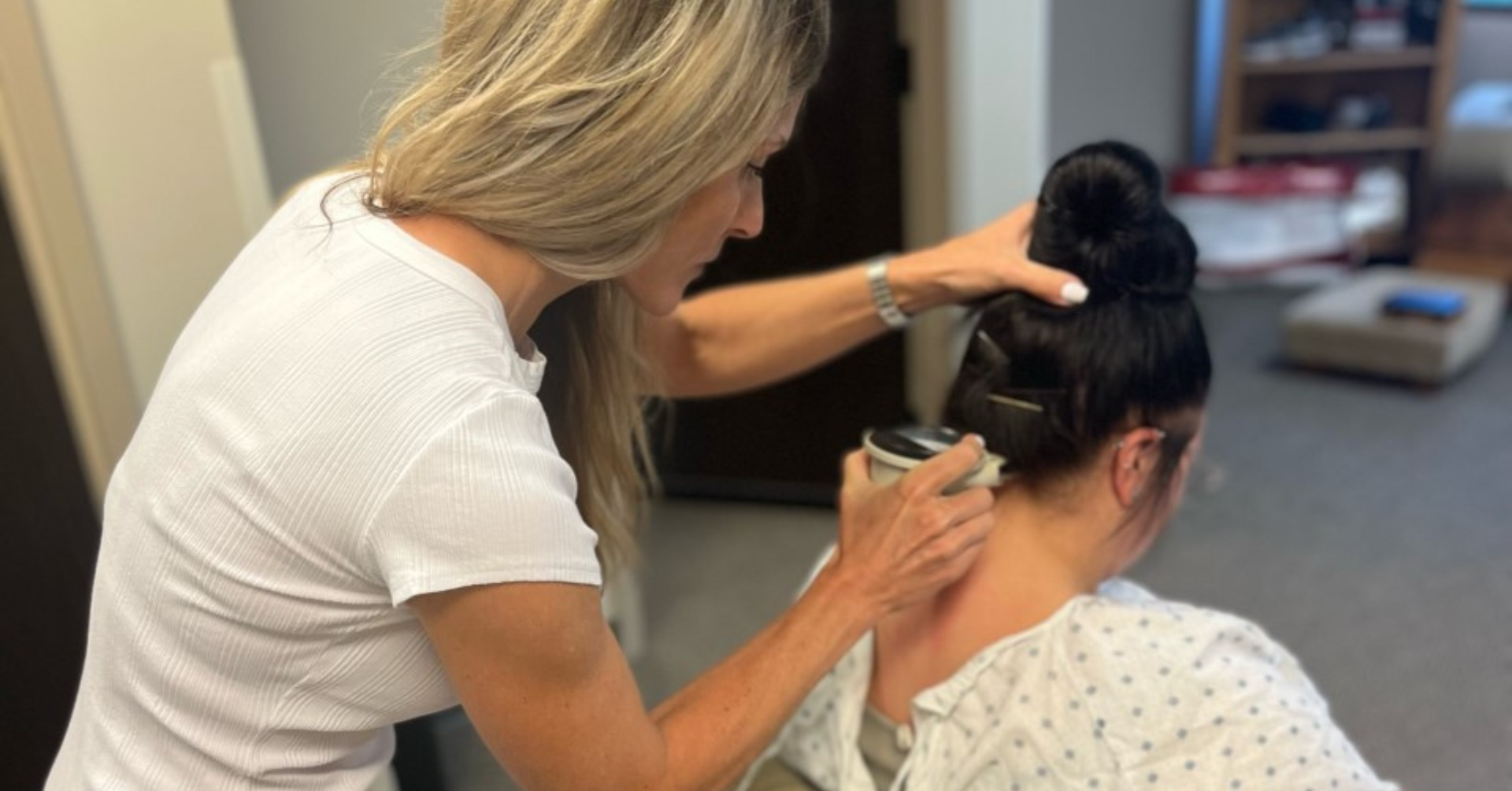
The Role of Chiropractic Care in Reducing Inflammation
Inflammation is a natural and necessary biological response. When your body detects injury or infection, it activates your immune system to begin healing. However, when inflammation becomes chronic, it can contribute to persistent pain, stiffness, fatigue, and long-term health conditions.
As more individuals seek non-pharmaceutical solutions for pain and inflammation, chiropractic care has emerged as a complementary approach to supporting musculoskeletal health and nervous system function.
In this article, we’ll explore how inflammation works, how chiropractic care may influence inflammatory processes, and how a holistic care plan can help you feel and function at your best.

The Healing Power of Touch: Why Massage Is More Than Relaxation
Massage therapy is often thought of as a luxurious treat — a way to unwind after a stressful week. But beyond relaxation, massage offers profound benefits for physical, mental, and emotional health, supported by growing scientific research. Therapeutic touch has been shown to influence the nervous system, improve circulation, reduce chronic pain, and support the body’s natural healing processes. In this comprehensive guide, we explore the science-backed healing power of touch and explain why massage should be considered a vital component of overall wellness, not an occasional indulgence but an intentional part of a proactive, health-focused lifestyle.

Functional Movement: The Missing Piece in Your Wellness Routine
In a crowded wellness landscape dominated by diet trends, workout fads, and mindfulness practices, functional movement remains one of the most overlooked yet powerful components of a complete health strategy. While cardio classes and strength training deliver measurable benefits, few routines focus on how your body actually moves in daily life. That’s where functional movement comes in—improving mobility, balance, strength, and longevity.
In this blog, we’ll explore what functional movement really is, why it matters, how it enhances your life, and how to integrate it into your routine for sustainable results.

Massage for Migraine Relief: A Natural Solution That Works
Migraines can be debilitating — causing intense, throbbing pain, sensitivity to light and sound, nausea, and a significant impact on daily life. While medications are often the first line of treatment, many people seek natural, non-pharmaceutical options for relief. One such approach that has gained attention is therapeutic massage. In this post, we’ll explore how massage can help with migraines, review the science, share practical tips, and show how it fits into a holistic wellness plan.

The Link Between Chiropractic Adjustments and Better Circulation
Many people visit chiropractors for back pain or headaches, but there’s growing interest in how spinal adjustments might also influence circulation — the flow of blood through the body. Can chiropractic care really have cardiovascular or circulatory benefits? In this blog, we explore scientific evidence, nervous system mechanisms, and what current research actually shows.

The Benefits of Regular Massage for Desk Workers and Remote Employees
As desk jobs and remote work become the norm, more professionals are experiencing the physical and mental strain that comes with long hours of sitting, screen time, and limited movement. While working from home or at a desk offers convenience, it can quietly take a toll on posture, muscles, stress levels, and overall productivity.
Regular massage therapy is a proven, evidence-supported solution that helps desk workers and remote employees feel better, work better, and protect their long-term health. Below, we explore the science-backed benefits of massage and why incorporating it into your routine can be a game changer.

How Regular Chiropractic Care Supports Long-Term Health
Chiropractic care is often thought of as a solution for short-term back pain — but its benefits extend far beyond temporary relief. When integrated consistently into your wellness routine, chiropractic care can support long-term health, improve quality of life, and promote preventative well-being. In this blog, we’ll explore how ongoing chiropractic maintenance works with your body to optimize function, support mobility, and reduce reliance on medications throughout life.

How to Choose the Right Massage Technique for Your Needs
Massage therapy is more than just a luxury — it’s a powerful tool for relaxation, pain relief, stress reduction, and improved overall wellness. But with so many different styles and techniques available, how do you choose the right one for your unique needs? This comprehensive guide breaks down the most common massage modalities, explains how they differ, and offers practical tips to help you make an informed choice.

Why Consistency Matters in Chiropractic and Massage Therapy
When it comes to holistic wellness, chiropractic and massage therapy have emerged as powerful allies in managing pain, improving mobility, and enhancing overall well-being. However, experiencing the full benefits of these therapies rarely happens after just one session. Consistency matters. In this blog, we’ll explore why regular chiropractic and massage therapy appointments are essential to long-term health, backed by reputable research and expert insights.

The Role of Chiropractic Adjustments in Injury Rehabilitation
Injury rehabilitation often requires a comprehensive approach that addresses pain, restores function, and prevents future setbacks. Chiropractic adjustments—manual techniques designed to improve joint mobility and alignment—play a significant role in the recovery process for many individuals. While chiropractic care is sometimes misunderstood, growing evidence and clinical guidelines support its use as part of a multimodal rehabilitation strategy, especially for musculoskeletal injuries. In this blog, we’ll explore how chiropractic adjustments contribute to injury rehabilitation, what the research says, and how they can fit into your recovery journey.

Why Massage Therapy Is Crucial for Office Workers
Office work is increasingly sedentary, repetitive, and screen-focused — a combination that fuels neck and shoulder pain, headaches, poor posture, and chronic stress. While ergonomics and movement breaks are vital, massage therapy is a powerful, science-backed complement that helps office workers stay productive, comfortable, and mentally resilient. Below we explain how massage helps, what the research says, and how to incorporate it into a modern workplace wellness plan.

How Chiropractic Care Supports Your Immune System
Maintaining a strong and resilient immune system is essential for overall health, especially during times of elevated stress or seasonal illness. While most people recognize the importance of nutrition, sleep, and exercise, many are unaware of how chiropractic care may play an indirect yet meaningful role in supporting immune function. Although chiropractic adjustments do not claim to cure illnesses or replace medical treatments, they can help optimize the body’s structure and function—particularly through the nervous system—which plays a major role in overall health.
In this blog, we’ll explore how chiropractic care supports immune health, what science shows about the connection between the nervous system and immunity, and why routine care may help you feel your best.